 KI-Agenten.shop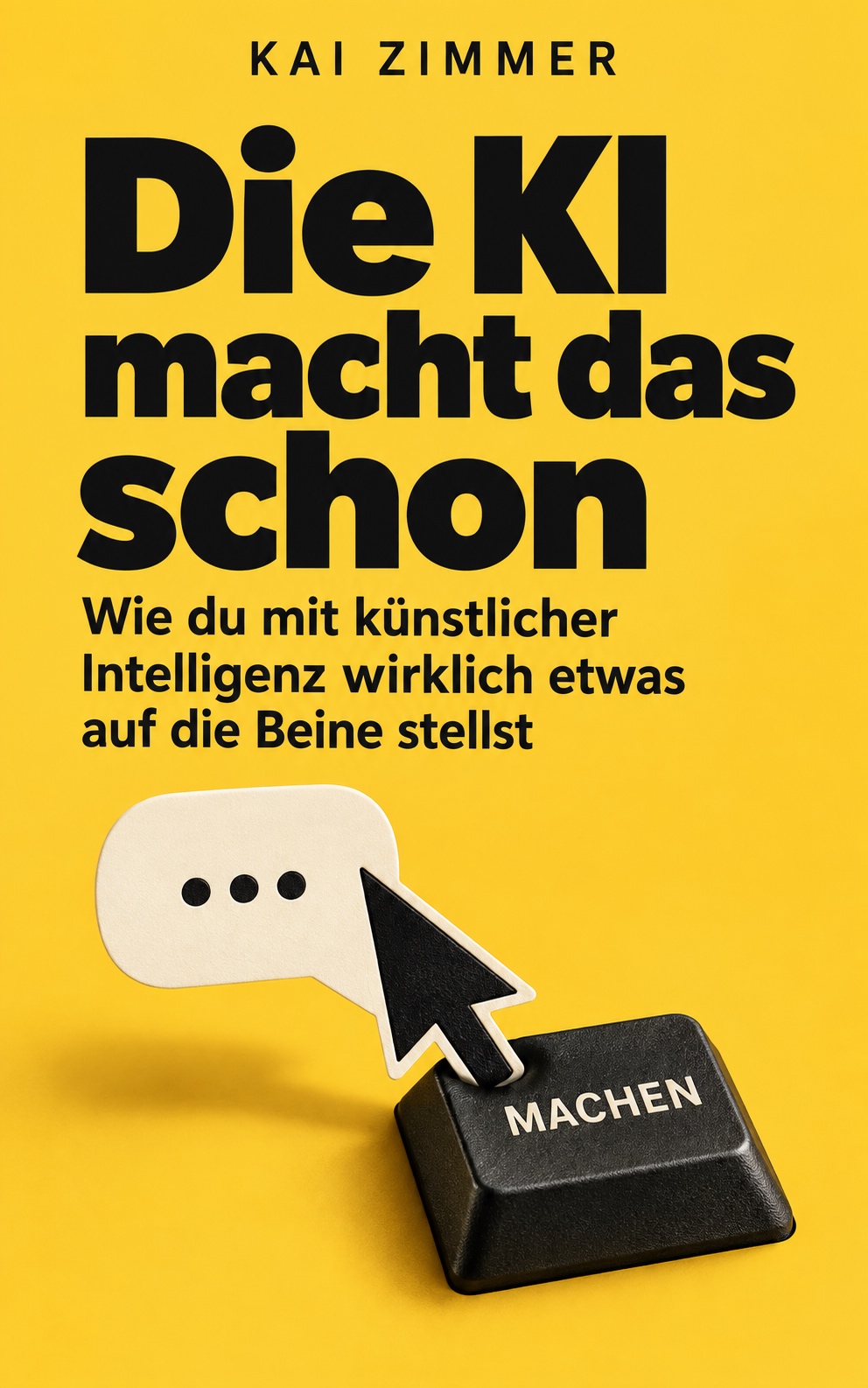
Die KI macht das schon
18 chapters, twelve practical tips and ready-to-adapt prompts for daily life, work and a first small software project.
PDF · 113 pages · €9.99
Explore the bookKI-Agenten.shop by Culturetek brings together AI software for business workflows, downloadable skills for your own AI environment and custom implementation. Choose the starting point that fits your task.

Books by Kai Zimmer
18 chapters, twelve practical tips and ready-to-adapt prompts for daily life, work and a first small software project.
PDF · 113 pages · €9.99
Explore the book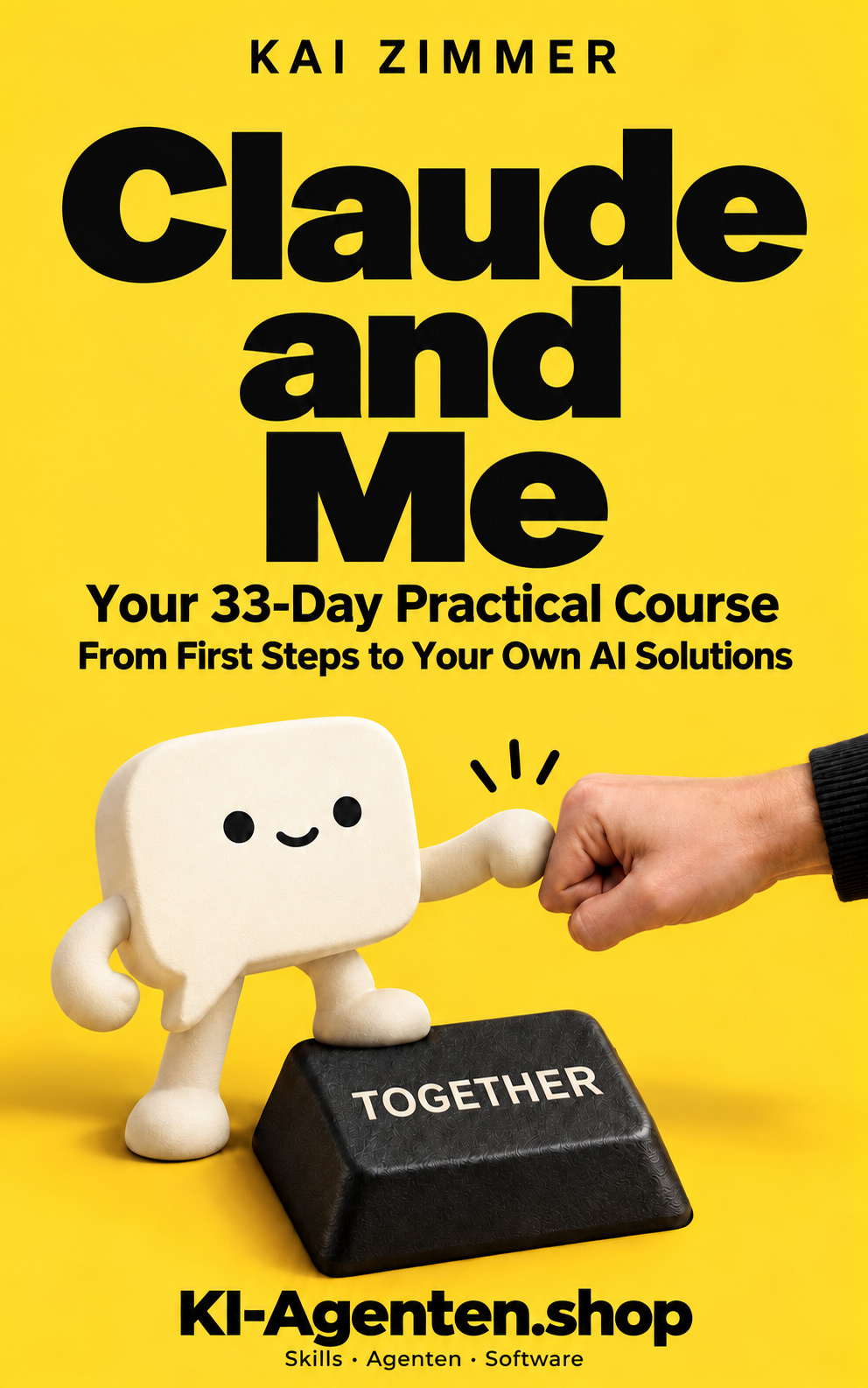
A 33-day practical course: from getting started to your own AI solution. A daily exercise, prompts and a result check.
English Kindle edition in preparation · free workbook available
Explore the English editionBoth books are included free as German-language downloads in your account with a skill, software or support-hour purchase. The workbook remains free for everyone.
Skill shop
Four selected skills for content, websites and discoverability. Choose by task; every package explains its contents and requirements.
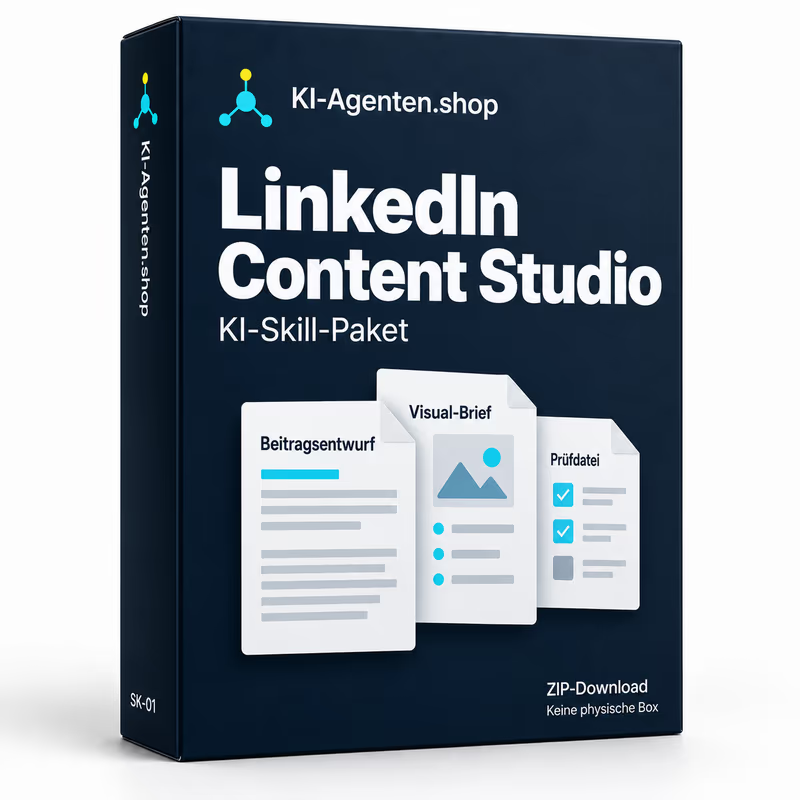
Create sourced LinkedIn drafts, matching media briefs and a publication checklist.
€9.99View product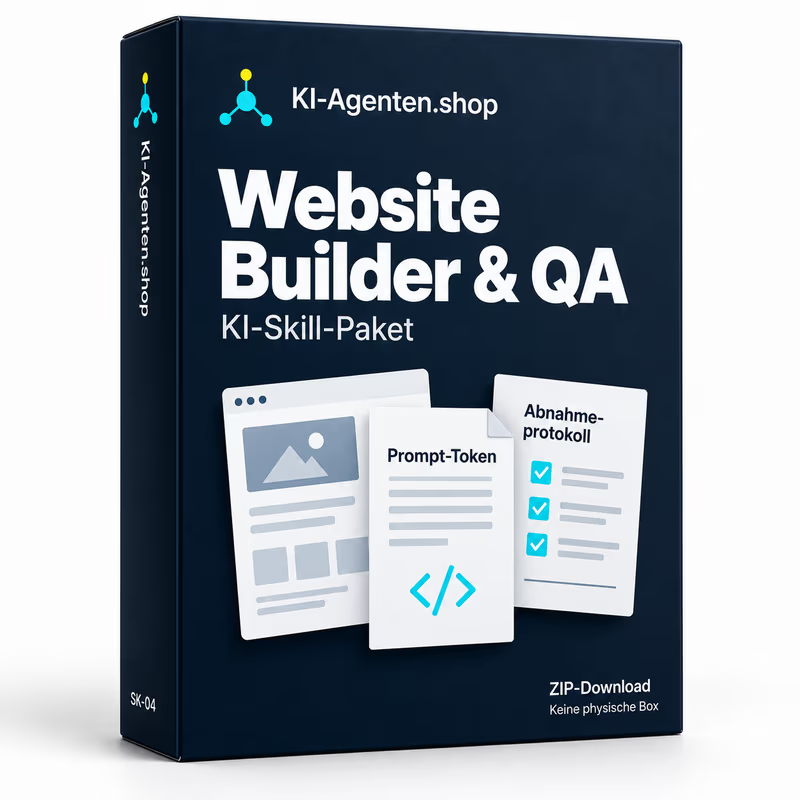
Turn a website brief into page structure, implementation steps and acceptance checks.
€9.99View product
Audit crawlability, search intent, internal links and technical SEO.
€9.99View product
Improve source clarity and answer structure for AI-assisted discovery.
€9.99View productOne-time final price, including applicable taxes. No subscription. ZIP contents and manuals are in German. Product names and technical filenames may be English.
Complete bundle · ZIP
All 24 skills and six coordinator blueprints in one ZIP. Pay once and apply the relevant workflows in your own project.
Prepare LinkedIn, SEO/GEO, content and campaigns with structured workflows.
Review websites, plan shop processes and develop n8n or Zapier workflows.
Handle research, documents and handovers with clear working and review steps.
Download the ZIP from your account, open the guide and set up the relevant skill in your Codex or Claude Code project.
24 skills bought individually: €239.76
You save €89.86 · 37.5%
compared with buying all 24 skills individually · 6 agent blueprints also included
Both books included free: “Die KI macht das schon” and “Mein Claude und ich”, as German-language downloads in your account after confirmed payment.
Your own Codex or Claude Code project, a ZIP utility and Python 3.10+ for the optional installer. Model, API and platform fees are not included.
Software shop
Explore these four applications from our software catalogue. Each product page shows the features and purchase options currently available.
Find answers in approved company sources and check the cited original passages.
View product
Create a summary and reviewable reply draft from selected messages. You decide whether to send.
View product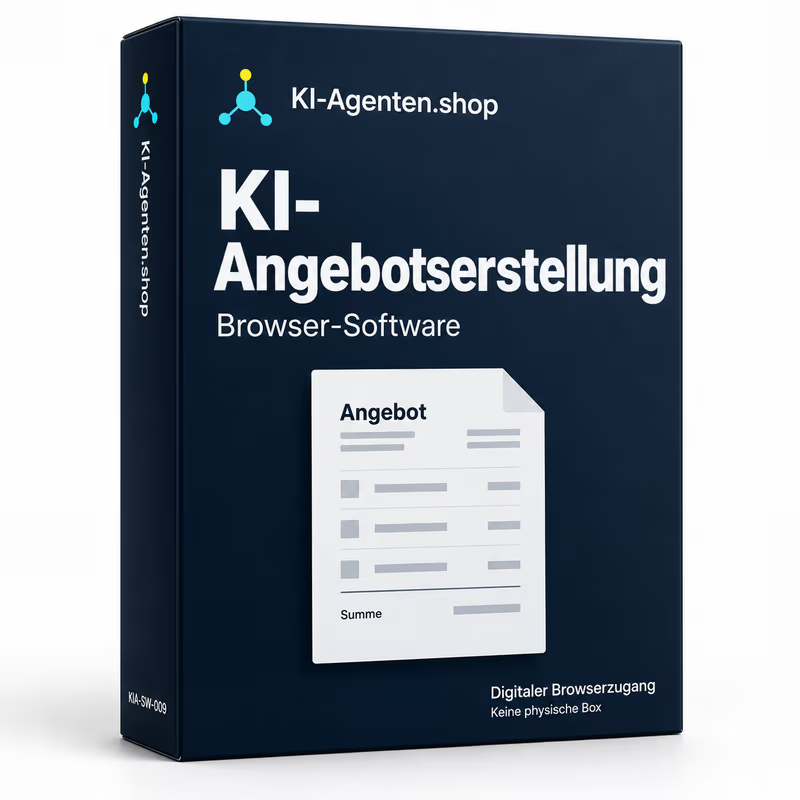
Assemble line items into a reviewable quotation and check quantities, prices and totals before export.
View product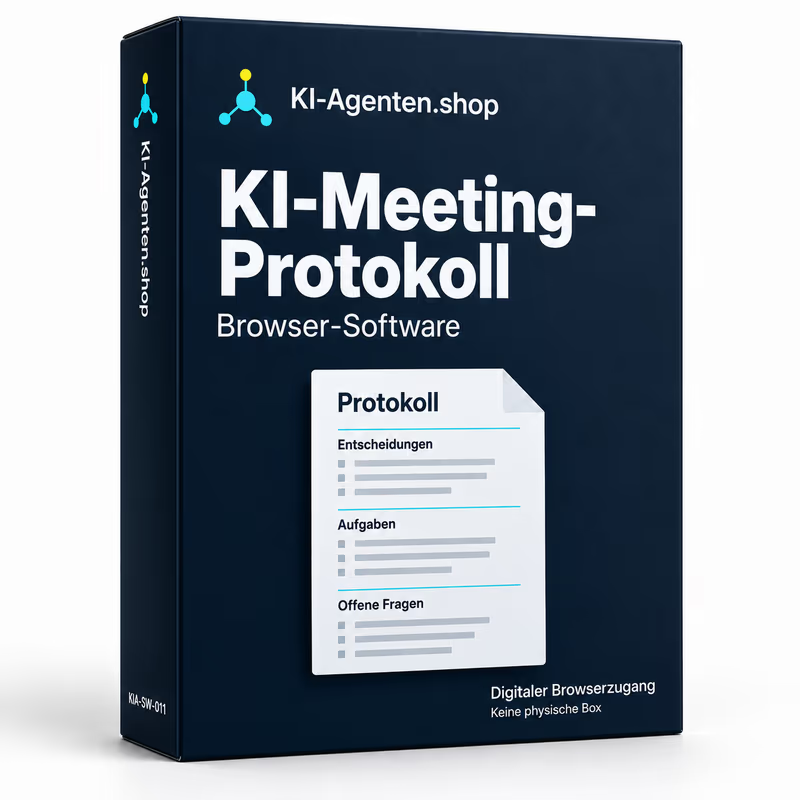
Organise meeting content into decisions, open questions and tasks, keeping uncertain owners and dates visible.
View productExplore applications for knowledge, sales, customer service and back-office work. Each product page explains features, requirements and release status.
24 structured packages for Codex and Claude Code: workflows, templates and checks as ZIP downloads for your own environment. From €9.99, paid once.
We analyse your workflow and connect data, systems and AI agents. Scope, ownership and acceptance criteria are agreed before the project starts.
Partner programme
Earn money with our products: recommend skills, software and the book to people they really help. Commission is paid only for paid purchases – never for clicks or sign-ups.
No income promise: whether and how much you earn depends on actual purchases.
Skill download prices do not include personal support. Our support hotline and chat are available for general questions. Installation and other personal assistance must be booked separately at EUR 99.00 per hour, including for bundle buyers. Statutory defect remedies remain unaffected.
We are extending our project work with reusable products: software for defined business tasks and skills for your own AI environment. Consulting, integration and our AI School complement the range. Start with one task and connect more workflows as your needs develop.
Four phases aimed at a durable operating model, not a polished demo moment.
We map bottlenecks, data sources, owners, and economic leverage.
We define Master AI, specialist agents, rules, permissions, and escalations.
Workflows, systems, approvals, and logging are built for production.
Adoption, ROI, errors, and cycle times are improved in live operation.
30 minutes one-to-one — pick your own slot
Instead of a fixed weekly session we talk about your case directly: one concrete bottleneck, 30 minutes on Zoom, free and without obligation.
After booking you receive the confirmation with the Zoom link. Free and non-binding, no purchase required.
If you want to quantify the case or structure your rollout, start here.
Alongside ROI and analysis, we are building a real learning track for founders, teams, and operators.
A guided learning track with clear structure, real business cases, and direct orientation.
The central entry point for recurring updates, market filters, 1:1 AI conversations, and clear next actions.
A 30-day free entry path with understandable lessons and real business relevance.
See the exact learning order from foundations to solution tracks, implementation, and Membership.
30 minutes one-to-one on Zoom about one concrete bottleneck — pick any slot.
Find current learning paths, exercises and approved materials in the Skool community. Choose the next step that fits your use case.
Culturetek combines business process analysis, development and quality assurance. Meet the people working on implementation.

Founder and orchestration architect focused on business logic, governance, and reliable rollouts.

AI Master Developer and training lead. Turns architecture into production-ready systems and teaches delivery with Kai or independently.

Delivery and process design lead connecting business teams to clean system implementation.

Operations and quality lead making sure agent systems stay dependable in daily execution.
Assess lead intake, CRM data and human approvals in one bounded workflow.
Evaluate knowledge sources, answer quality and handoff to your service team together.
Clarify sources, access rights and knowledge transfer before integration.
Describe a real process and assess the requirements for a pilot.
Model setup, operation, review and time savings with your own assumptions.
Compare one-time implementation effort and ongoing costs separately.
Explore applications for knowledge, sales, customer service and back-office work. Each product page explains features, requirements and release status. 24 structured packages for Codex and Claude Code: workflows, templates and checks as ZIP downloads for your own environment. From €9.99, paid once. We analyse your workflow and connect data, systems and AI agents. Scope, ownership and acceptance criteria are agreed before the project starts.
Once payment is confirmed and you consent to immediate delivery, the matching ZIP appears in your customer account. Without that consent, access follows the waiting period stated at checkout. Packages include instructions and require your own compatible AI environment.
Skill download prices do not include personal support. Our support hotline and chat are available for general questions. Installation and other personal assistance must be booked separately at EUR 99.00 per hour, including for bundle buyers. Statutory defect remedies remain unaffected.
Start potential analysis
If you want to prioritize a real process, a few clear inputs are enough for a strong first assessment.